Why I Choose LISS Over HIIT for Diabetes Management (And Why Your Blood Sugar Will Thank You)
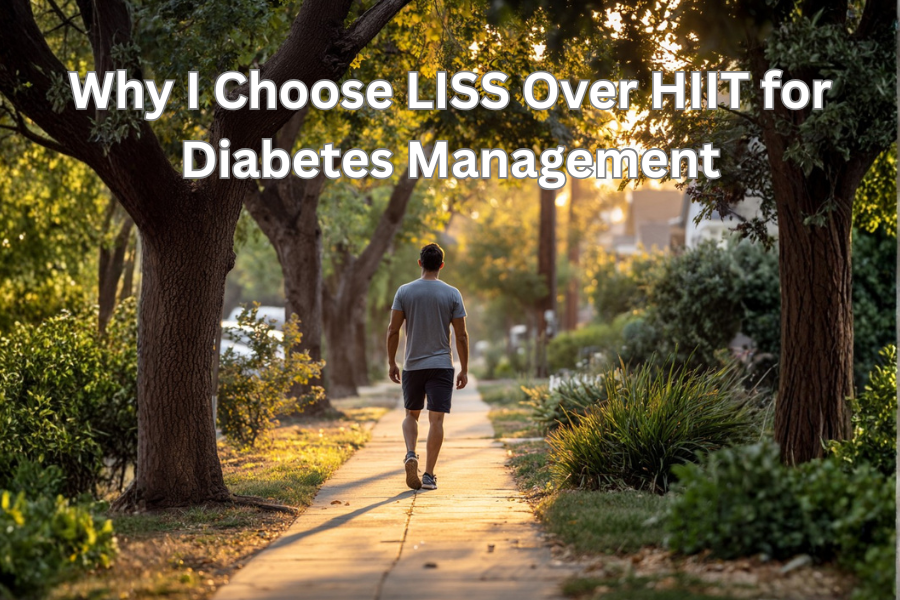
Let me tell you about the morning I learned that not all exercise is created equal when you're managing diabetes.
I was three weeks into a trendy HIIT program—you know the type: 30 seconds of all-out effort, brief recovery, repeat until you question your life choices. I felt accomplished, energized, and convinced I'd found the perfect workout routine. Then came the post-workout blood sugar crash that left me shaking, confused, and raiding the fridge at 10 AM like I hadn't eaten in days.
That was my wake-up call to understand the profound difference between high-intensity interval training (HIIT) and low-intensity steady state (LISS) cardio—especially for those of us managing diabetes.
The Exercise Paradox: Why Movement Matters More Than Ever
Exercise is arguably the most powerful non-pharmaceutical intervention for diabetes management. It improves insulin sensitivity, helps regulate blood sugar, supports cardiovascular health, aids weight management, and reduces inflammation. The science here is ironclad.
But here's what the fitness industry often glosses over: the type and intensity of exercise dramatically affect how your body responds, particularly when your glucose regulation system is already compromised.
Understanding the Blood Sugar-Exercise Relationship
When you exercise, your muscles need fuel. They pull glucose from your bloodstream and tap into glycogen stores (glucose stored in muscles and liver). This is generally good news—it means exercise naturally lowers blood sugar.
But the intensity of your workout triggers different metabolic responses:
During moderate-intensity exercise (LISS): Your body primarily burns fat for fuel, with a steady, predictable glucose uptake by muscles. Your stress hormones remain relatively stable. Blood sugar decreases gradually and predictably.
During high-intensity exercise (HIIT): Your body demands quick energy. It rapidly depletes glycogen and triggers a stress response. Your adrenal glands release cortisol and adrenaline—hormones that actually increase blood sugar to fuel the intense effort. After the workout ends, you may experience a sharp drop as your body replenishes depleted glycogen stores and your stress hormones return to normal.
The LISS Advantage: Steady, Predictable, Sustainable
LISS cardio—think brisk walking, easy cycling, swimming at a conversational pace, or light jogging—offers several unique advantages for diabetes management:
1. Predictable Blood Sugar Response
With LISS, you can anticipate how your blood sugar will behave. After a few sessions, you'll develop an intuitive sense of how a 45-minute walk affects your glucose levels. This predictability reduces anxiety and helps you make informed decisions about food, medication timing, and activity duration.
2. Extended Fat Burning
Working at 60-70% of your maximum heart rate keeps you in the optimal fat-burning zone. Your body preferentially uses fatty acids for fuel, preserving glycogen stores and avoiding the blood sugar rollercoaster that comes with depleting them.
3. Minimal Stress Hormone Response
Because LISS doesn't trigger a fight-or-flight response, you avoid the cortisol and adrenaline spike that complicates blood sugar management. Your body interprets the activity as safe, sustainable movement—not an emergency requiring immediate glucose mobilization.
4. Lower Injury Risk and Better Recovery
LISS is gentle on joints, connective tissue, and your nervous system. You can do it daily without overtaxing your recovery capacity. This consistency compounds over time—the best exercise for diabetes management is the one you'll actually do repeatedly.
5. Enhanced Insulin Sensitivity Without the Drama
Studies consistently show that regular LISS cardio improves insulin sensitivity comparably to higher-intensity exercise, but without the blood sugar volatility. Your cells become better at using insulin to absorb glucose, and they maintain this improved sensitivity for 24-72 hours after each session.
The HIIT Challenge: When More Isn't Better
I'm not here to demonize HIIT. For some people, it's an efficient, effective workout option. But for those managing diabetes—especially Type 1 or insulin-dependent Type 2—HIIT presents several legitimate challenges:
The Blood Sugar Drop
The most immediate concern is hypoglycemia. During intense intervals, your body floods your bloodstream with glucose to fuel the effort. Your muscles consume this glucose rapidly. After the workout, as your stress hormones normalize and your body works to restore glycogen, blood sugar can plummet—sometimes hours later.
This delayed hypoglycemia is particularly insidious because it can occur when you're not expecting it, potentially while you're driving, working, or sleeping.
The Unpredictability Factor
HIIT creates metabolic chaos that's difficult to predict. Will your blood sugar spike from the stress hormones? Will it crash from glycogen depletion? Will you experience both in sequence? The answer varies based on your current insulin sensitivity, medication timing, recent food intake, stress levels, sleep quality, and phase of your menstrual cycle (if applicable).
This unpredictability makes HIIT a blood sugar management nightmare. You're constantly guessing, constantly correcting, constantly anxious about what comes next.
Increased Inflammation and Oxidative Stress
HIIT generates more free radicals and inflammatory markers than moderate-intensity exercise. While healthy individuals can handle this acute stress (and may even benefit from the adaptive response), people with diabetes already face elevated baseline inflammation. Adding more fuel to that fire may not be ideal for long-term metabolic health.
My LISS Protocol: What Actually Works
Here's what I've found effective for diabetes management:
Daily 45-60 minute walks at a pace where I can hold a conversation but feel my heart rate elevated. I aim for a heart rate around 60-65% of max (roughly 110-120 BPM for me).
3-4x weekly cycling or gym sessions at easy-to-moderate intensity, 30-45 minutes each.
Morning timing, when possible, helps regulate fasting blood sugar and sets a positive metabolic tone for the day.
Consistency over intensity. I'd rather walk 45 minutes six days a week than do a punishing HIIT session twice a week and feel accomplished while my blood sugar resembles a seismograph..

The Bottom Line
Exercise is medicine for diabetes management, but like any medicine, dosage and delivery matter.
LISS offers the benefits of improved insulin sensitivity, cardiovascular health, and blood sugar regulation without the volatility that comes with high-intensity training. It's predictable, sustainable, and kind to your already-taxed metabolic system.
HIIT can work for some people with diabetes, particularly those with excellent glucose control and careful management strategies. But it requires meticulous planning, frequent monitoring, and a tolerance for blood sugar unpredictability that many of us would rather avoid.
For me, the choice is clear: steady, sustainable, and stress-free wins every time.
Your body doesn't need extreme intensity to improve. It needs consistency, patience, and movement that supports your health rather than complicating it.
What's your experience with exercise and diabetes management? Have you found certain intensities work better for your blood sugar control? I'd love to hear your insights in the comments.
Remember: Always consult with your healthcare provider before making significant changes to your exercise routine, especially if you're managing diabetes with medication.